

Equipment monitoring at a paper mill: 2,718 assets and vibration sensors
The LISS CMMS on the enterprise’s own server: a register of 2,718 pieces of equipment, readings from SKF vibration sensors, work orders created from alerts in one tap, permits for hazardous work and a technician’s phone that works on the shop floor without a network.
Updated: October 2026
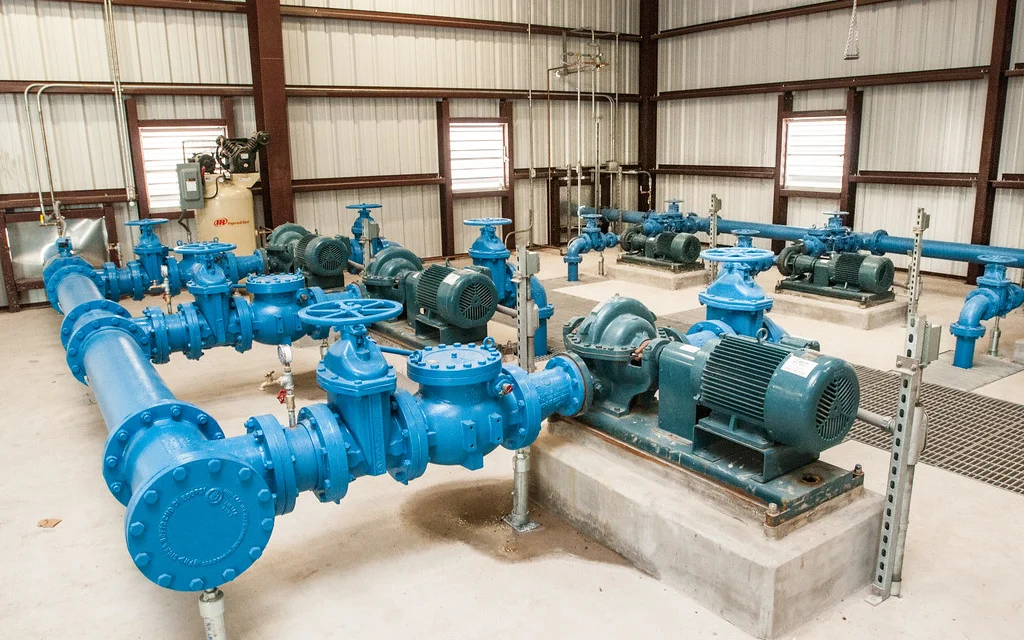
The condition of machines was known only from rounds and complaints: the repair log was a notebook, requests lived in a chat, the work permit was on paper. A stopped gearbox or pump was discovered when the line was already down, and no repair history of a unit was kept anywhere.
We deployed the LISS CMMS: the mill’s equipment register was loaded, SKF vibration measurements and spectra were connected to the units (read-only). Alerts fire on thresholds; the foreman turns an alert into a condition-based work order, reserves the spare part in the stockroom and issues a LOTO permit. The technician scans the QR on the machine and works from the phone: checklist, before and after photos, downtime counted automatically. MTBF, MTTR and PM compliance are computed by the system, and the sensor trend gives a remaining-life forecast.
What the business gets
- An equipment register with the history of every unit
- A vibration-threshold alert becomes a work order in one tap
- LOTO permit: work does not start until the safety measures are ticked
- The technician’s phone works without a network on the shop floor; actions sync when it returns
- Spare-parts stock: reserved for the order, written off by the issue note
- Reports for the chief mechanic and a forecast of days to the critical threshold
Results
- 2,718 pieces of equipment in one system
- Repairs are planned by the condition of the unit, not after the line stops
- The data stays on the enterprise’s server
 FastAPI
 PWA
Products in the project
See also
All cases
Discuss a task
Tell us what you want to automate — we reply within one business day.